
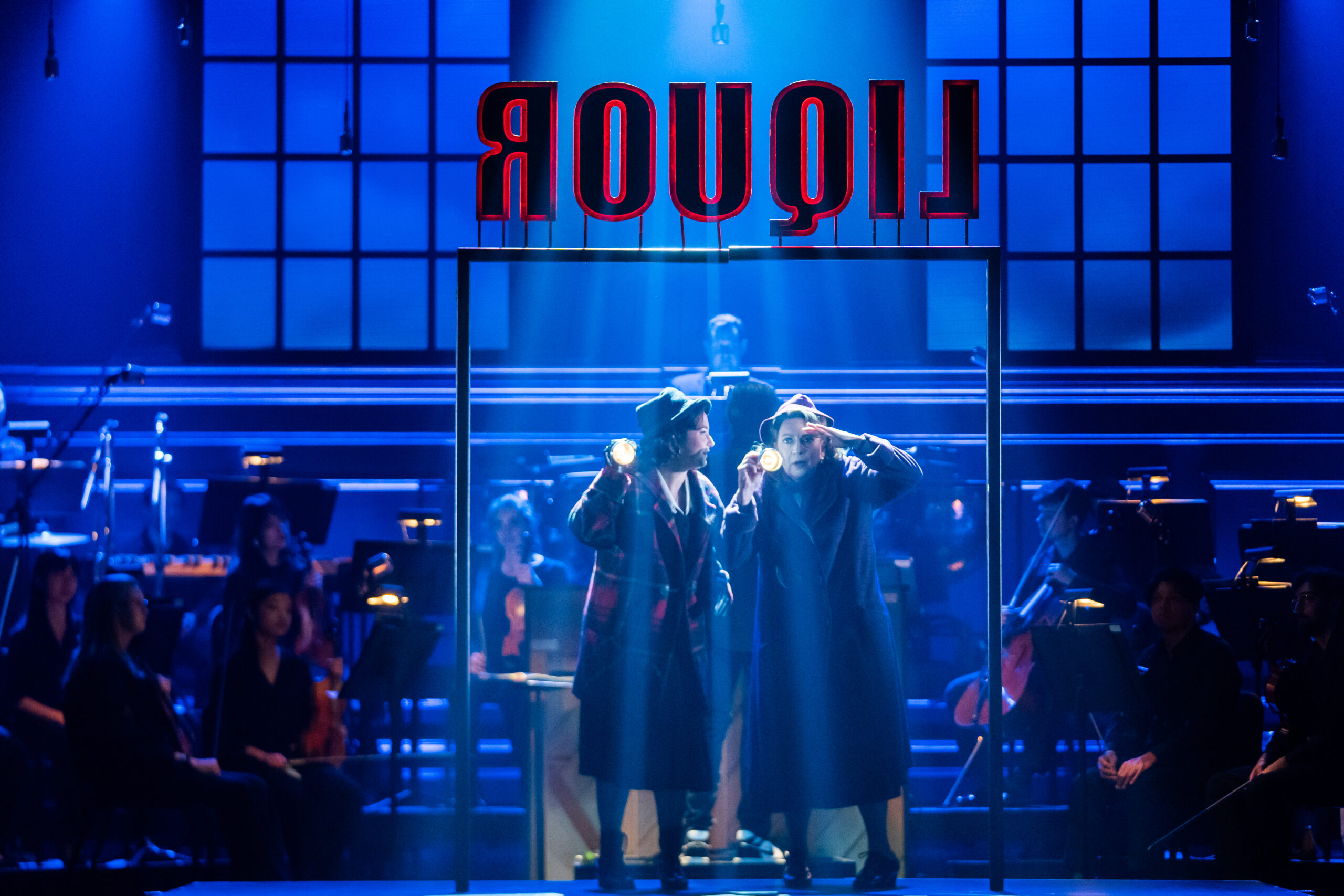
Composed in 1939 as a radio opera by Spoleto Festival USA founder Gian Carlo Menotti, The Old Maid and the Thief made its Festival debut on May 22, 2026, at the historic Dock Street Theatre. Originally conceived for radio, the work was designed from the outset to live in the imagination—its world built through sound, suggestion, and storytelling rather than literal realism.
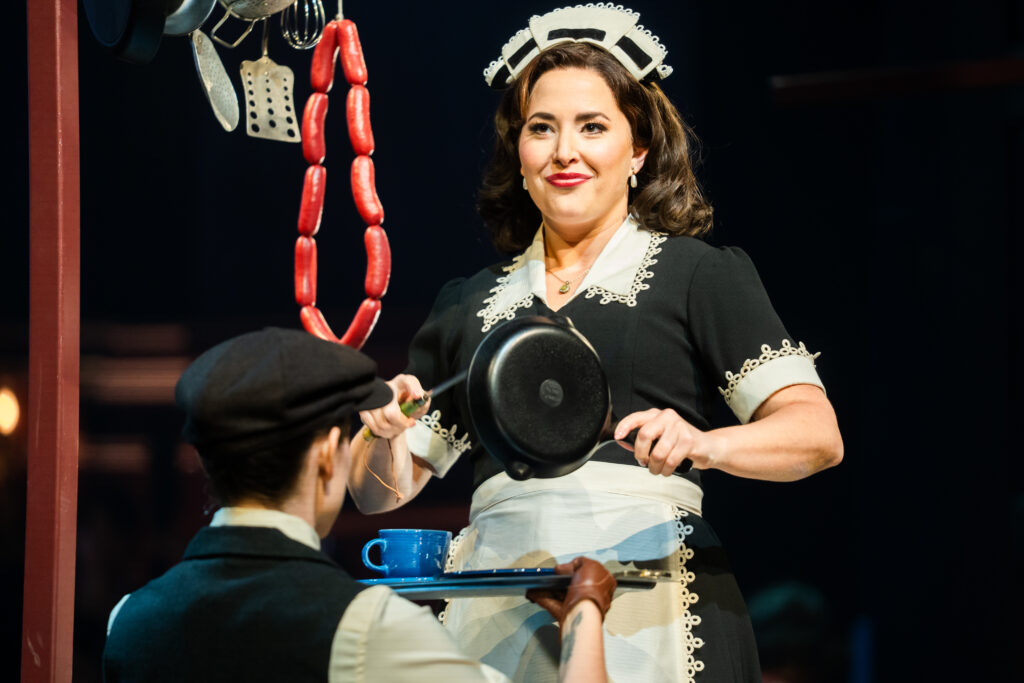
Director Daisy Evans’s production embraced that origin as its central creative engine, asking: what if the opera itself burst out of a radio and into the theater? The staging transformed the performance into a living theatrical laboratory, where singers shifted fluidly between roles as characters and storytellers. When not in the action, the ensemble became the onstage “machinery” of the production—manipulating objects, assisting with puppetry, and helping construct the visual and sonic world in real time.
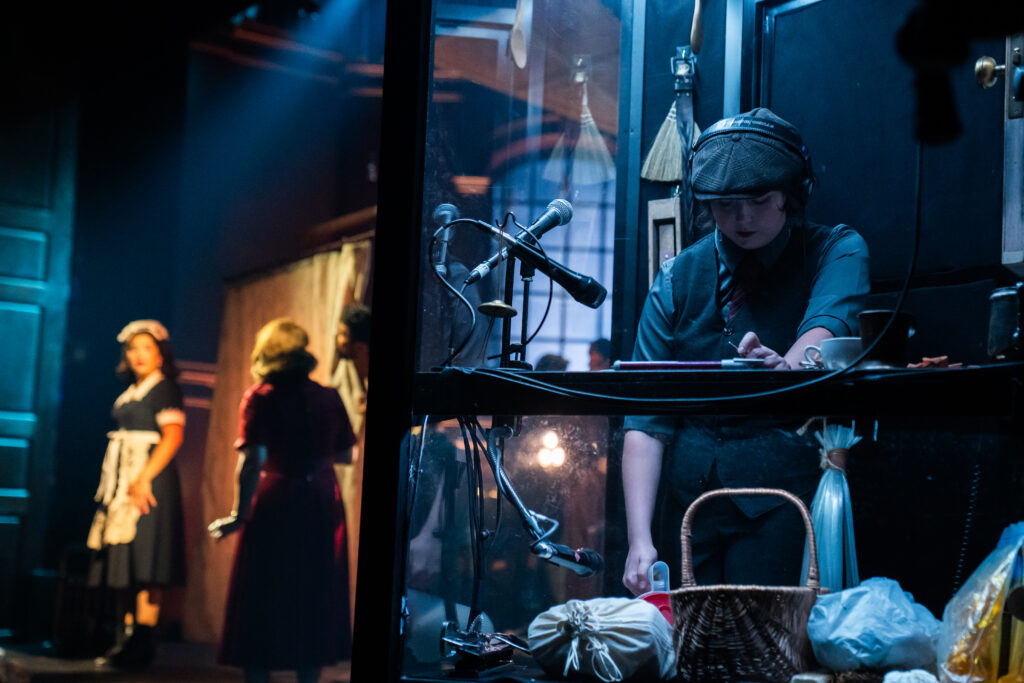
That spirit of revelation extended to the opera’s sound design. Charleston drag queen Patti O’Furniture served as host-narrator, guiding the audience through the action while anchoring the production’s playful framing of radio drama. Foley Operator Amelia Hawke brought the mechanics of sound creation into full view, as footsteps, doors, and everyday effects were built live on stage. Even the Festival Orchestra appeared onstage, underscoring the production’s commitment to transparency—music, sound, and action unfolding as equal partners in storytelling.
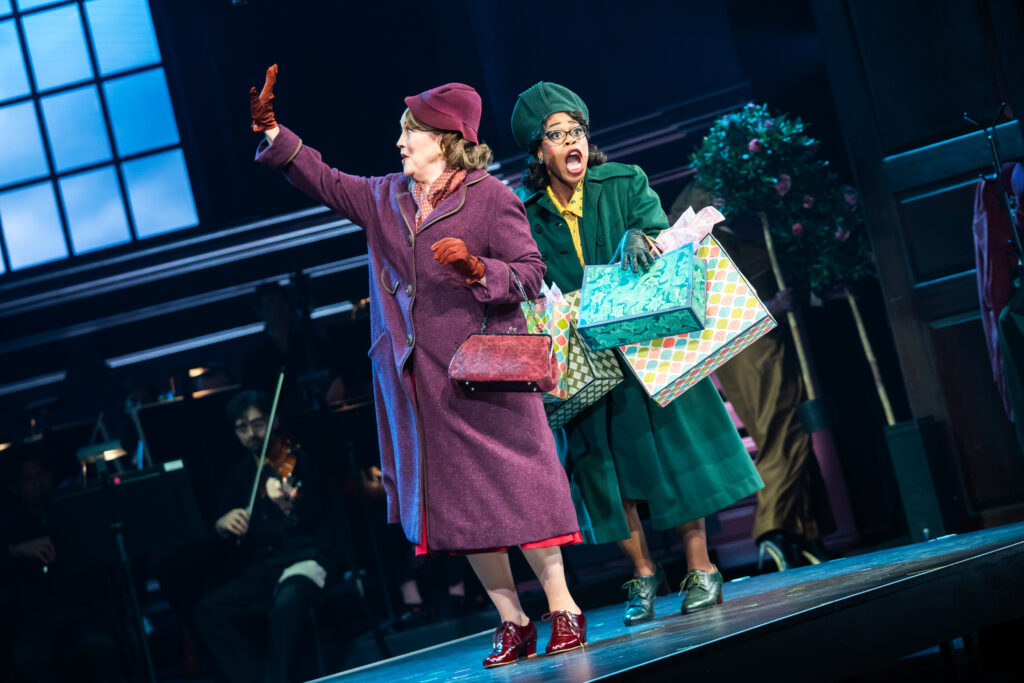
The brisk, one-act work unfolded as a world of gossip and intrigue—playful, inventive, and deliciously mischievous in its portrait of rumor, temptation, and moral unraveling. The cast delivered Menotti’s humor with crisp theatricality: Katharine Goeldner as the sharp-tongued Miss Todd, Chrystal E. Williams as the scheming Miss Pinkerton, Efraín Solís as the charming drifter Bob, and Rachel Blaustein as the mischievous Laetitia. Together, their interplay brought a fresh contemporary spark to Menotti’s characters while revealing their deeply human impulses.
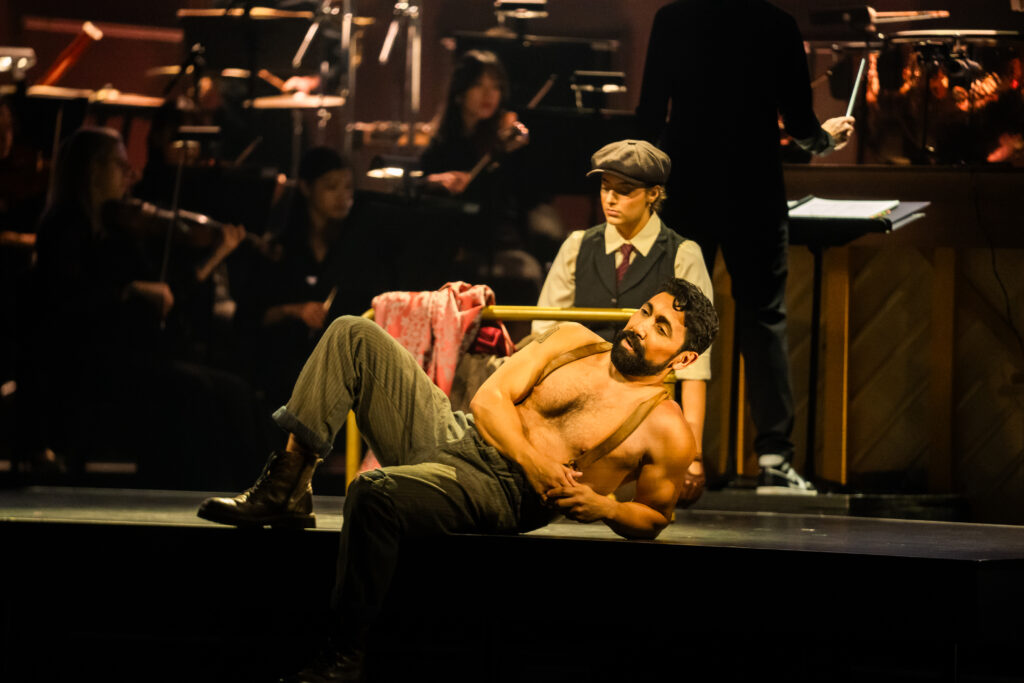
Broadway World praised the production, writing that it “should remain the model,” while The Post and Courier called it “innovative and hilarious, all while being brilliantly executed.”
The Festival Orchestra performed the score under conductor Timothy Myers. The creative team included set and costume designer Walt Spangler, movement director Matthew Forbes, lighting designer Jacob Wiltshire, sound and Foley designer Max Pappenheim, assistant director Zae-Breaughn Barr, assistant conductor Mariana Corichi Gomez, and production stage manager Christopher R. Munnell.
Above all, the production invited audiences to share in the joy of theatre-making itself—to witness the craft, the playfulness, and the imagination that brought a story into being.